📝 AnimeBuzz Blog
Original analysis of what's actually trending in anime — read from the real engagement data behind our Buzz Score. Weekly movers, deep dives, and the stories the numbers tell.

Maji, Yabai, Oshi: The Youth Slang Anime Characters Use
Why Oshi no Ko is never translated, what yabai really means, and 17 Japanese youth-slang words anime characters use — and what subtitles lose.
Read →
Yani, Zeni, Gaki: Rough Japanese Words Subtitles Flatten
Smoking Behind the Supermarket with You says yani — "tar" — not tobacco. 18 rough everyday Japanese words like it, and what subtitles lose.
Read →
Goku, Naruto and Luffy Are All Played by Women. Here's What That Actually Tells You.
We counted 15,388 castings across 888 anime. Nearly half of the voice actors in the database have exactly one role — and the top 10% take more than half the work. The bottleneck is real, but it isn't where most people think it is.
Read →
Anime Isn't Mostly Set in School. The Anime You Remember Is.
We counted 888 titles. Only 15% of what's airing right now is set in a school — but 37% of the ones that got popular are. The stereotype isn't about how much school anime gets made. It's about which anime survives.
Read →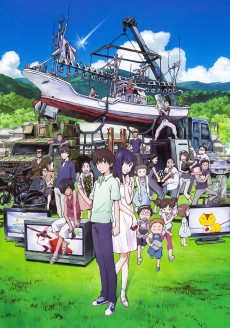
Obon: The Three Days Japan Welcomes the Dead Home (and Why You Shouldn't Book a Bullet Train)
Every August, Japan pauses so the dead can come home for a few days. Cucumber horses, eggplant cows, welcome fires, grandma's house, and the most crowded shinkansen of the year — a traveler's and an anime fan's guide to Obon.
Read →
The Basement Where Voice Actors Say Things They Can't Say on Stage
Japan has a whole circuit of small, unfiltered talk events that never gets covered in English. On 16 August three seiyuu are doing one in a Kabukicho basement — and it's a good excuse to explain what these nights actually are.
Read →
Why Anime Characters Always Meet at the Station
"Ticket gate, three o'clock." Nobody in Japan meets at the restaurant — they meet at the station and walk there together. The reason is that Japanese addresses genuinely don't work, and the habit outlived the chalkboards that made it necessary.
Read →
Japan's Summer Is a Sound: Cicadas, Wind Chimes and the Bell Cricket
That wall of insect noise under every summer anime scene isn't background — it's information. Why one cicada means the season is ending, why a wind chime feels cold, and why British viewers have literally never heard any of it.
Read →
The 650-Year-Old Art Behind The World Is Dancing: A Beginner's Guide to Noh
Why does a Noh actor slide instead of walk? Why is the mask blank? This season's The World Is Dancing is the true story of Zeami, the boy who turned street performance into the world's oldest surviving theatre — and here's what his art actually means.
Read →
Japan's Oldest Story Is 1,100 Years Old — and Anime Still Can't Stop Retelling It
A girl found inside a bamboo stalk. Five impossible quests. A goodbye to the Moon. The Tale of the Bamboo Cutter is Japan's first story, and its fingerprints are all over Kaguya-sama, Naruto, Ghibli — and Netflix's Cosmic Princess Kaguya.
Read →
One Room, One Year: The Hidden System Behind Every Anime School Festival
Why do anime classes throw themselves into a maid café like their lives depend on it? Because Japanese students don't change classrooms — they spend a whole year locked in with the same 40 people. Here's the system that makes the culture festival, sports festival and school trip mean so much.
Read →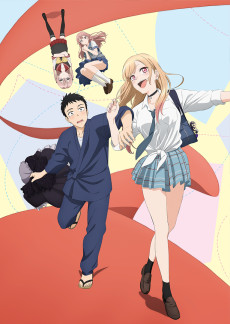
Japan vs. the World: What Women Are Cosplaying in 2026
Two continents, two very different con floors. We rank the characters Japanese women are cosplaying in 2026, then the ones dominating conventions worldwide — and break down why the two lists barely overlap.
Read →
Bukatsu: Why One Lost Match Ends a Japanese Teenager's Entire Career
Western viewers think anime sports kids are melodramatic. They aren't — the rules are just completely different. Single-elimination nationals, third-years who 'retire' at seventeen, and 2,831 school bands competing for 30 spots. Here's what Haikyu!! and Sound! Euphonium assume you already know.
Read →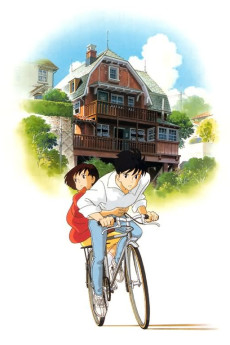
Kokuhaku: Why Anime Romance Can't Start Until Somebody Says the Words
The confession, the love letter in the shoe locker, the second button at graduation, and a Valentine's Day invented by candy companies — the hidden rulebook that makes anime romance work, and why Western viewers keep misreading it as stalling.
Read →
Meshi-Tero: The Best 'Food Porn' Anime That Will Absolutely Make You Hungry
The Japanese call it meshi-tero — 'food terrorism' — the crime of showing food so good it hurts. Here are the anime that commit it best, from monster stew to Ainu campfire meals.
Read →
Anime That Secretly Teach You Real Science — a Watchlist for the Curious
Some anime are stealth textbooks. From chemistry (Dr. STONE) to immunology (Cells at Work!) to mineralogy (Ruri Rocks), here are shows where you finish an episode actually knowing something real.
Read →'Notice Me, Senpai!' — The Senpai-Kohai System Anime Never Explains
Everyone online knows the word senpai. Almost nobody outside East Asia knows what it actually means. From keigo to first-years fetching balls, here's the real senpai-kohai hierarchy that anime treats as invisible air.
Read →
Why Anime Doesn't Believe in Pure Evil — a Story That Begins with Christmas 1945
In December 1945, months after the atomic bombs, Japan celebrated Christmas under American occupation — and America drew exactly the wrong lesson from it. An essay on religious pluralism, the myth of nation-building, and why anime villains are never just villains.
Read →
Anime Based on Real Novels You Can Actually Read in English
Not light novels — real literary fiction. From The Tatami Galaxy to Run with the Wind to Paprika, here are acclaimed anime adapted from Japanese novels with official English translations, so you can read the book behind the show.
Read →
Ino-Shika-Cho: The Card Game Hidden Inside Naruto's Most Famous Trio
Ino, Shikamaru and Choji aren't just teammates — their names are a winning hand in hanafuda, Japan's traditional flower-card game. Boar, deer, butterfly: here's the etymology most fans outside Japan never hear about.
Read →
Buzz Movers: The Board Just Reset — Summer 2026's First Rankings Are In
July flipped the AnimeBuzz board to the summer 2026 season, and the opening standings are a sequel gauntlet: Mushoku Tensei S3 near-perfect, a new Ghost in the Shell, BLEACH, and a new Madoka movie. Here's what the engagement data says.
Read →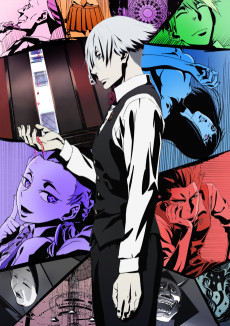
Death Parade's Opening Is a 'So Bad It's Good' Masterpiece — The Legend of the Green-Screen MV
Death Parade is a bleak show about judging the dead. Its opening, BRADIO's 'Flyers,' is pure funk joy — and its music video is so gloriously, cheaply edited that the comment section became a comedy institution.
Read →
What Schrödinger's Cat Actually Means — and Why Bunny Girl Senpai Gets It Wrong
Rascal Does Not Dream of Bunny Girl Senpai uses Schrödinger's cat to argue that things only exist once they're observed. It's a beautiful metaphor — and the single most common misunderstanding of the famous experiment. Here's what it really means.
Read →
JoJo's Stands Are a Secret Rock Playlist: The Music Behind the Names
From Killer Queen to Echoes to Sex Pistols, the Stands in JoJo's Bizarre Adventure are named after real rock and pop music — and the copyright headaches that created some hilarious English renames.
Read →Anime for Haruki Murakami Fans: Penguindrum and the Murakami-esque
Talking cats, deep wells, jazz, and lonely young people adrift in a world where the surreal leaks into the everyday. Does Haruki Murakami's fiction show up in anime? In one case, with documented references — and in others, as pure atmosphere.
Read →The Real Saito Hajime: The True Story Behind Rurouni Kenshin's Coldest Swordsman
Rurouni Kenshin's Saito Hajime — the stone-faced cop with the 'Slay Evil Instantly' creed — is based on a real Shinsengumi swordsman who actually survived the revolution, became a policeman, and lived to old age. Here's his story.
Read →
The Cult TV Show Hidden Inside Laid-Back Camp's Scooter Trips
Rin's solo scooter touring in Laid-Back Camp isn't just an aesthetic choice — it's a quiet tribute to Suiyo Doudeshou, a legendary Japanese travel show. Here's the connection, including an official crossover.
Read →
Does Baki's Flat Cola Actually Work? The Real Science Behind the Meme
In Grappler Baki's very first chapter, Baki chugs flat, de-fizzed cola before a tournament final — and one onlooker calls it 'impressive.' Is there real science behind it? Surprisingly, yes.
Read →Chakra, Rinnegan and the Six Paths: The Buddhist Roots of Naruto's Vocabulary
Chakra is just the beginning. From the Rinnegan and Pain's Six Paths to Hashirama's thousand-armed Buddha, much of Naruto's vocabulary is borrowed straight from Buddhist philosophy. Here's what the terms actually mean.
Read →
This Week's Biggest Buzz Movers — and Why Re:Zero Season 4 Is Untouchable
A look at the anime actually dominating attention this week, ranked by real YouTube and AniList engagement — not marketing budgets.
Read →